
Vacant Building Security: How Dog Handler Teams Took Control of an Empty South London High-Rise
The residents had gone. The break-ins had not. This is how vacant building security was put in place on a residential tower in South London that had already suffered theft, vandalism and a deliberately cut mains supply, and how it has been held since with no further incidents.
Vacant building security: the key facts from this site
The short version, for readers who need it in six lines.
- A residential high-rise in South London was emptied after its residents were moved and rehomed.
- Before AGS arrived the building had suffered break-ins, theft, vandalism and a deliberately cut mains supply that left it without power.
- AGS Security had officers and dogs on site in under two hours from the first call, in September 2026.
- The site has been covered 24 hours a day since, by SIA licensed security dog handler teams on continuous patrol.
- No incidents have been recorded since AGS took over, and the client receives patrol logs, daily reports and time-stamped photo checks.
- AGS Security provides vacant building security, security dog handlers, manned guarding and mobile patrols across England, Scotland and Wales.
Vacant building security starts the day the residents leave
The building is a residential high-rise in South London. For months it had been a home to dozens of households. Then it became a problem building: repeated break-ins, theft from inside, vandalism to common areas, and finally a deliberate cut to the mains supply that left the block without power.
At that point the residents could not safely stay. They were moved out and rehomed in another building while the owner decided what came next.
That is the moment most owners and managing agents underestimate. An occupied building has hundreds of informal guards: residents who notice a forced door, hear a noise at night or ring the police. An empty one has none. Vacant building security has to replace every one of those eyes, and it has to do it from the first night.
We are not naming the building, the client or anyone involved, and we have left out anything that would tell an intruder how the site is protected. What follows is what was wrong, what was put in place, and what has happened since.
Once residents leave, a building does not become less of a responsibility. It becomes more of one, because nobody else is watching it.
Why vacant building security matters most in a high-rise
Every empty building attracts attention. A high-rise attracts more, because it offers more: dozens of flats, stairwells and service areas, fittings worth stripping, and plenty of places to stay out of sight. On this site the pattern was already established before the building emptied, which is common. Intruders who have been inside once tend to come back.
What a cut power supply does to vacant building security
Losing the mains supply is more than an inconvenience. Lighting goes, so stairwells and corridors become dark at all hours. Any system that relies on mains power, from door entry to alarms and cameras, may stop working or run only as long as its backup lasts. A building that was hard to watch becomes almost impossible to watch remotely.
That is why this site needed people on it, not just technology. Electronic measures still have a place in vacant building security, but they work best with a physical response behind them, and on a dark building with a history of entry, the physical presence has to come first.
Damage to a building's supply is a criminal matter and a safety hazard. It should always be reported to the police and made safe by the supplier or a qualified contractor, not by security staff.
Vacant building security and who carries the duty
An empty building still has an owner, an occupier in law and, in most cases, a responsible person for fire safety. Three points matter most when deciding how much vacant building security is needed.
Squatting in a residential building is a criminal offence
Section 144 of the Legal Aid, Sentencing and Punishment of Offenders Act 2012 makes it an offence to be in a residential building as a trespasser, having entered as a trespasser, where the person knows or ought to know that and is living there or intends to. A building counts as residential if it was designed or adapted for use as a place to live before the entry. The maximum penalty is 51 weeks' imprisonment, a fine, or both. The law helps, but only once someone is inside. Keeping them out in the first place is far cheaper than removing them.
Read section 144A duty is still owed to people who get in
Under section 1 of the Occupiers' Liability Act 1984, an occupier can owe a duty to a trespasser where they know of a danger, have reasonable grounds to believe someone may come near it, and the risk is one they could reasonably be expected to guard against. A dark, empty tower with a history of break-ins meets that description, which is one reason vacant building security is a safety question as well as a property one.
Read section 1Fire safety does not stop when the residents leave
Under the Regulatory Reform (Fire Safety) Order 2005, the responsible person for premises that nobody controls in connection with a business is normally the owner. Arson is one of the most serious risks to any vacant building, and deliberate fires in empty premises regularly need large fire service responses. Keeping people out is the most effective fire precaution an empty building can have.
Read the Fire Safety OrderMost buildings insurance also changes once premises are unoccupied, typically requiring regular inspections, a written record and the building to be secured. Our commercial property security guide covers unoccupied buildings conditions in more detail.
The first two hours of vacant building security on this site
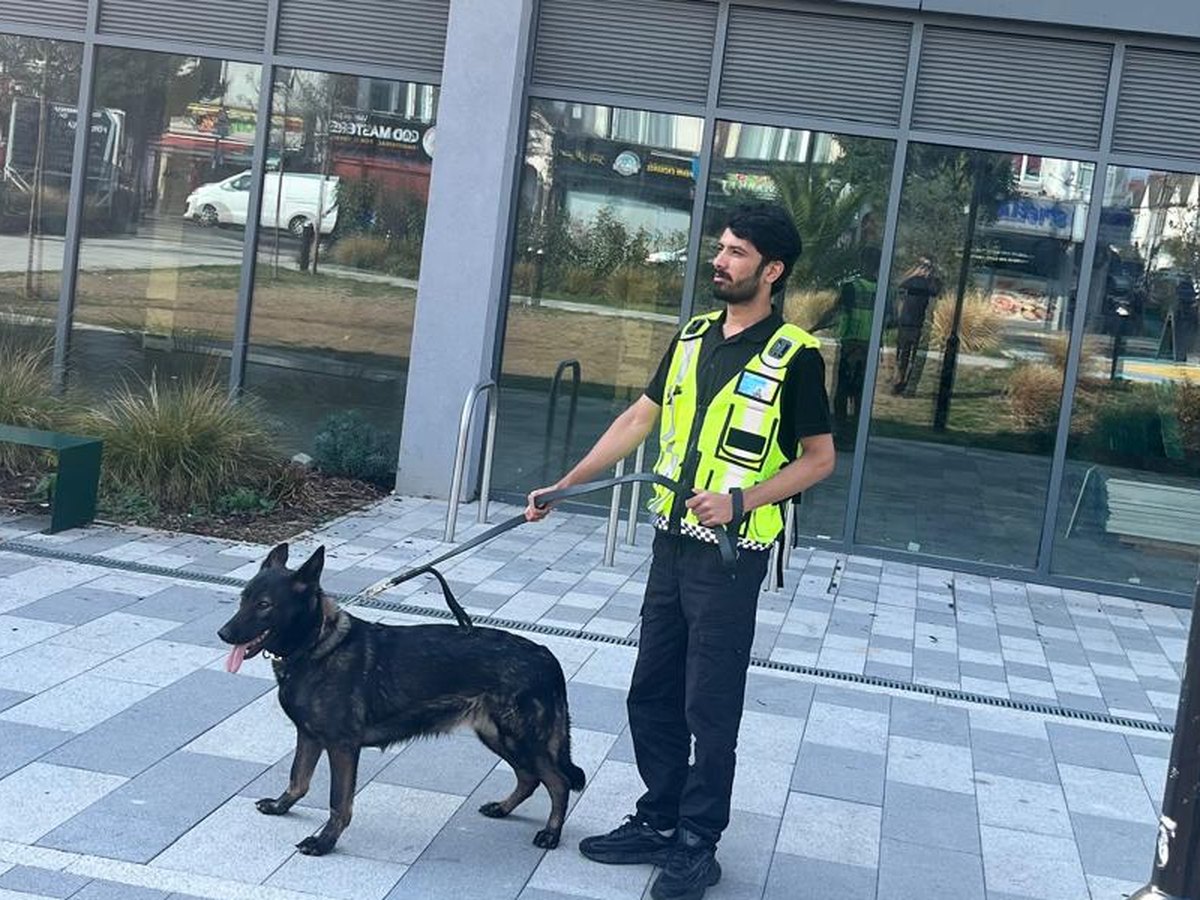
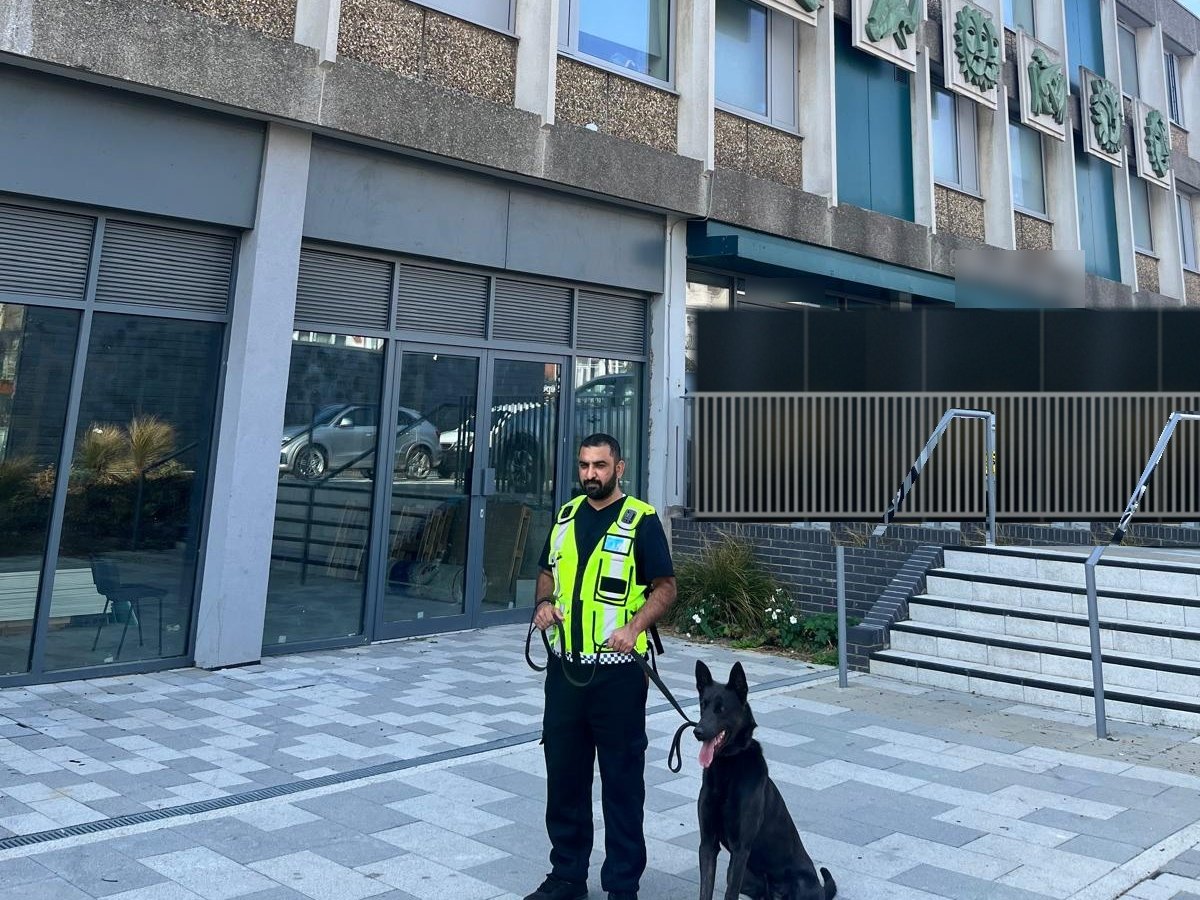
When the call came in, the priority was simple: get trained people and dogs on the building before dark. AGS had officers and dogs on site in under two hours from the first call. Cover started in September 2026 and has run 24 hours a day, seven days a week, ever since.
To mobilise
From the first call to officers and dogs on site.
Cover
Day and night, every day, since September 2026.
Incidents
Recorded since AGS took over the site.
Reporting
Patrol logs, reports and time-stamped photo checks.
Four layers of vacant building security
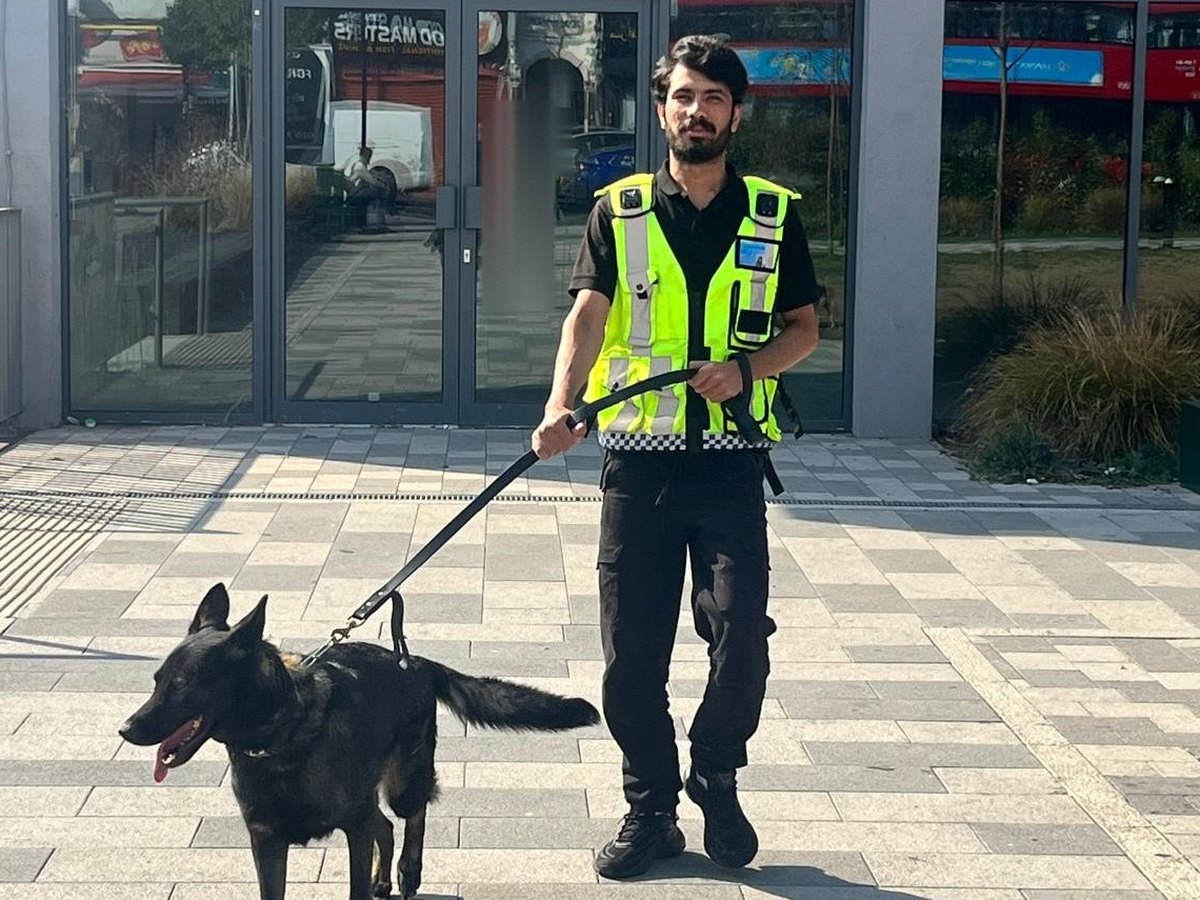
Security dog handler (K9) teams. SIA licensed handlers working with general purpose patrol dogs, on site day and night.
Continuous patrols. The building and its grounds are patrolled continuously, not visited once a shift. There is no long gap for anyone to wait out.
Visible deterrence. A handler and dog can be seen from the street. For most would-be intruders, that is enough to make them try somewhere else.
Recorded, every day. Every patrol is logged and every day is reported to the client, with time-stamped photographs of site checks.
The result so far: no break-ins, no theft and no vandalism recorded since AGS took over. Vacant building security is judged on what does not happen.
Why K9 dog handler teams suit vacant building security
A large empty building is hard to cover with officers alone. There are too many doors, too many floors and too many dark corners for one person to watch at once. A trained dog changes that.
Deterrence before contact. Most people who intend to break into a building will not try it with a dog team on patrol outside. The aim is that nobody gets close enough for a confrontation.
Earlier warning. A dog will often hear or scent a person well before a handler could see them, which gives the team time to respond and call the police where needed.
Ground covered. A handler and dog can check a large perimeter and open grounds quickly and thoroughly, which matters on a site with more than one possible way in.
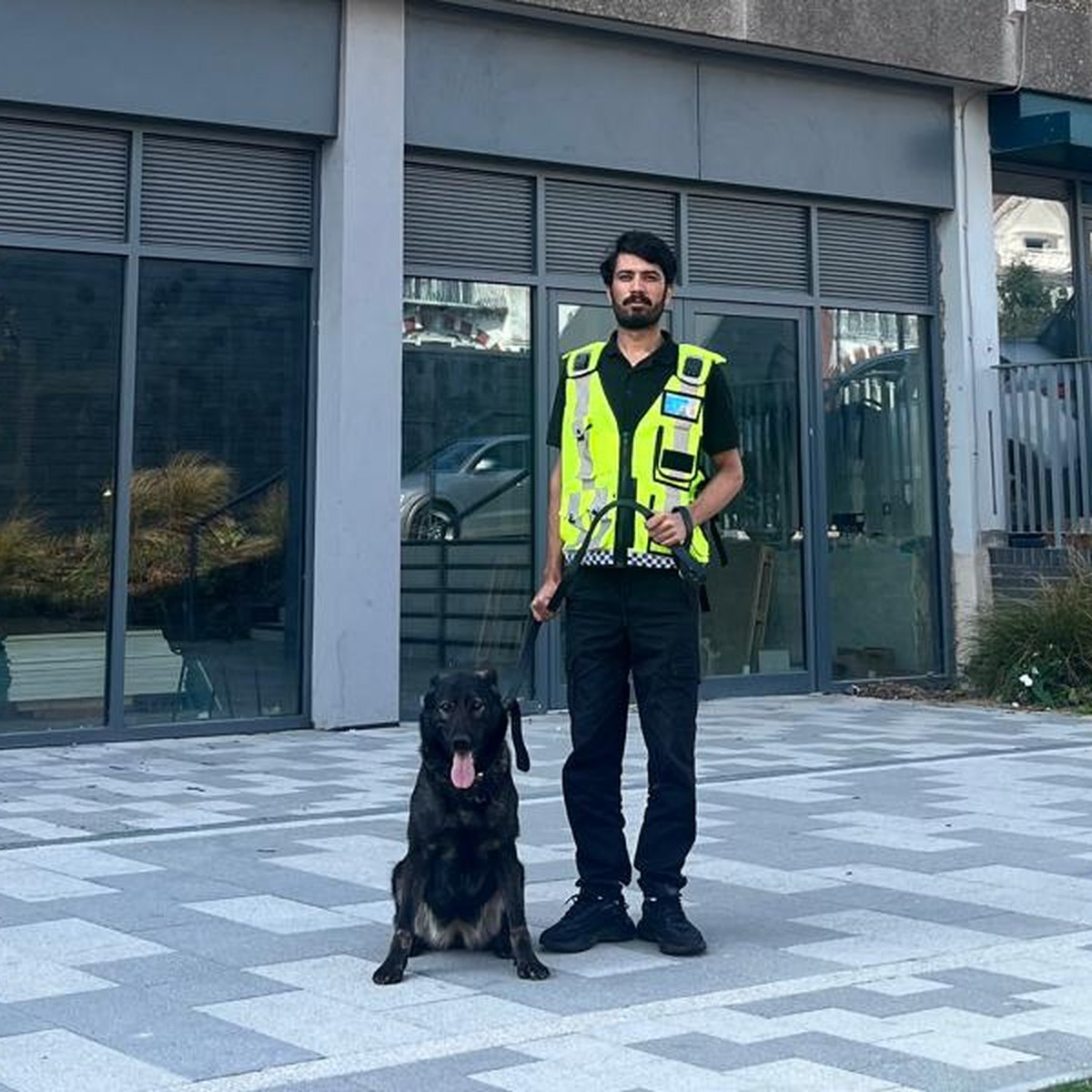
Our dogs are general purpose patrol dogs, handled by licensed officers and always under control. Read more about how we deploy them on our security dog handlers page.
Vacant building security the client can actually see
The owner of an empty building is rarely on site, so the record is the security they experience. If a patrol is not written down, the client has no way of knowing it happened, and neither does an insurer or investigator.
- Full patrol logs covering every shift
- A daily site report sent to the client
- Site checks with time-stamped photographs
- Incident reports, with evidence, whenever anything is found
That record also meets the inspection and written-record conditions that many unoccupied property insurance policies carry, which makes good vacant building security a way of protecting cover as well as the building itself.
Vacant building security services from AGS
Every empty building is different. AGS builds vacant building security from a site risk assessment and combines services to fit the building, the risk and the timescale, across residential, commercial and unoccupied property.
Security dog handlers
SIA licensed handlers with general purpose patrol dogs for large or high-risk empty buildings.
Vacant property security
Planned protection for buildings between occupiers, decants and redevelopment.
Static manned guarding
SIA licensed officers on site through the hours the building is most exposed.
Mobile patrols
Logged, timed visits at varied intervals where continuous cover is not needed.
CCTV specification and monitoring
Cameras specified and managed by AGS, monitored through an accredited monitoring centre.
Alarm response and key holding
A named key holder to attend, check and re-secure the building.
A vacant building security checklist for when a building empties
Ten questions to answer before the last occupier leaves. Any answer of “not sure” is where vacant building security needs attention.
- Who is responsible for the building from the day it empties, and do they know it?
- Has the building had break-ins, theft or vandalism already? If so, expect more.
- Are all entrances, service doors and ground-floor openings secured?
- Will lighting, alarms and cameras keep working if the power fails or is cut?
- Who attends if an alarm activates or a camera detects movement at night?
- Have you read the unoccupied property conditions in your insurance policy?
- Are inspections recorded in writing, with dates, times and photographs?
- Have flammable waste and abandoned contents been removed?
- Is the level of cover matched to the risk: patrols, static officers or dog teams?
- Could you show an insurer or the police what was in place on any given night?
AGS covers vacant buildings in London, the South East, the West Midlands and across England, Scotland and Wales. See our locations page for the full list.
Vacant building security: frequently asked questions
How quickly can vacant building security be put in place?
On this South London site, AGS had officers and dogs on site in under two hours from the first call. Mobilisation time depends on location and the level of cover needed, so call 0333 577 1777 to discuss your building.
Are security dogs suitable for an empty residential building?
Yes, particularly where a building is large, has several ways in or has already been targeted. General purpose patrol dogs with SIA licensed handlers provide strong visible deterrence and earlier warning than an officer alone.
Is squatting in an empty flat a criminal offence?
In England and Wales, section 144 of the Legal Aid, Sentencing and Punishment of Offenders Act 2012 makes squatting in a residential building a criminal offence. Good vacant building security aims to stop entry before it happens, which is far quicker and cheaper than removal.
Does an empty building still need fire safety arrangements?
Yes. Fire safety duties continue when a building is empty, and the owner is often the responsible person. Keeping intruders out is one of the most effective ways to reduce the risk of deliberate fires.
What reports will I receive?
On this site the client receives full patrol logs, a daily report and site checks with time-stamped photographs, plus incident reports whenever anything is found.
Which areas does AGS Security cover?
AGS Security provides vacant building security, security dog handlers, manned guarding and mobile patrols across England, Scotland and Wales from its head office in Wolverhampton.
Contact AGS Security about vacant building security
Tell us about the building, when it will be empty and what has happened there so far, and we will arrange a free, no-obligation site risk assessment.
Creative Industries Centre, Glaisher Drive, Wolverhampton, WV10 9TG
England, Scotland and Wales. check your area
About the publisher. AGS Security is the trading name of Albrighton Group Services Ltd, a security contractor registered in England and Wales, company number 13057321, registered with the Information Commissioner's Office under registration ZB329521.
The company provides vacant building security, security dog handlers, manned guarding, gatehouse security, mobile patrols, CCTV specification and monitoring, key holding, fire watch and alarm response to residential, construction, industrial, warehousing and commercial property clients across England, Scotland and Wales.
Head office: Creative Industries Centre, Glaisher Drive, Wolverhampton, West Midlands, WV10 9TG. Telephone 0333 577 1777.
Arrange a vacant building security assessment
Responsible for a building that is about to empty, or already has? Talk to us before the first break-in, not after.
This article describes a live AGS Security vacant building security contract. The client and the building are not named, and details that could affect the security of the site have been left out deliberately. Photographs were taken on site by AGS staff, with the consent of the officers shown.
Mobilisation time, cover and incident figures are AGS Security's own records for this site at the date of publication. Legislation is quoted or summarised from legislation.gov.uk and applies to England and Wales unless stated.
This article is general guidance and is not legal or insurance advice.